

Key Takeaways
- Glaucoma can run in families due to genes that affect the optic nerve and eye fluid drainage.
- Having a parent or sibling with glaucoma raises your own risk.
- Several types exist, including open-angle, congenital, angle-closure, and pigmentary glaucoma.
- Many people notice no early warning signs, so regular exams matter.
- Dilated eye exams help catch changes before vision loss sets in.
How Glaucoma Passes Through Families
Yes, glaucoma can be hereditary. If a parent or sibling has glaucoma, your own odds of getting it go up, which is why it’s important to schedule regular eye exams to keep tabs on your vision.
As always, our team at 2020 Eyecare Ohio is here to help you protect your vision.
What Is Glaucoma?
Glaucoma is an eye disease that causes damage to your optic nerve, usually due to increased pressure. The optic nerve is the part of the eye that carries light signals to your brain.
Your genes can influence how fluid moves and drains inside your eye, making it more likely for drainage to back up and pressure to build on your optic nerve.
Common Types of Inherited Glaucoma
Primary Open-Angle Glaucoma
This is the form most people get. It develops slowly, so vision changes sneak up on you over months or years. In this form of the disease, the drainage angle of your eye remains open, but works too slowly, causing pressure to slowly develop.
Other forms of Glaucoma
Other types of glaucoma show up in different ways.
- Congenital glaucoma is present from birth and affects how a baby’s eye drains fluid.
- Angle-closure glaucoma happens when the drainage angle gets blocked, raising pressure quickly.
- Pigmentary glaucoma comes from tiny bits of pigment that flake off and clog drainage.
You can learn more about glaucoma from our guide to the condition.
Risk Factors You Should Know About
Family history is one piece of the puzzle, but a few other factors can raise your risk, too. These include:
- A parent or sibling who has glaucoma.
- Age over 60.
- Diabetes or high blood pressure.
- Certain ethnic backgrounds, including African, Hispanic, and Asian heritage.
If 2 or 3 of these apply to you, that’s a good reason to book an exam sooner rather than later.
Early Signs & Symptoms to Watch For
Unfortunately, glaucoma often gives no early warning. That’s why it’s often known as the silent thief of sight.
When signs of glaucoma do appear, they often develop slowly and may be easy brush off. Watch for these signs:
- Gradual loss of peripheral (side) vision
- Eye pain or pressure that feels different from a normal headache.
- Blurry patches or halos around lights.
Because damage to the optic nerve can’t be undone, catching changes early gives you the biggest chance to protect your vision.
How to Protect Your Vision with Family History
Schedule Complete Eye Exams
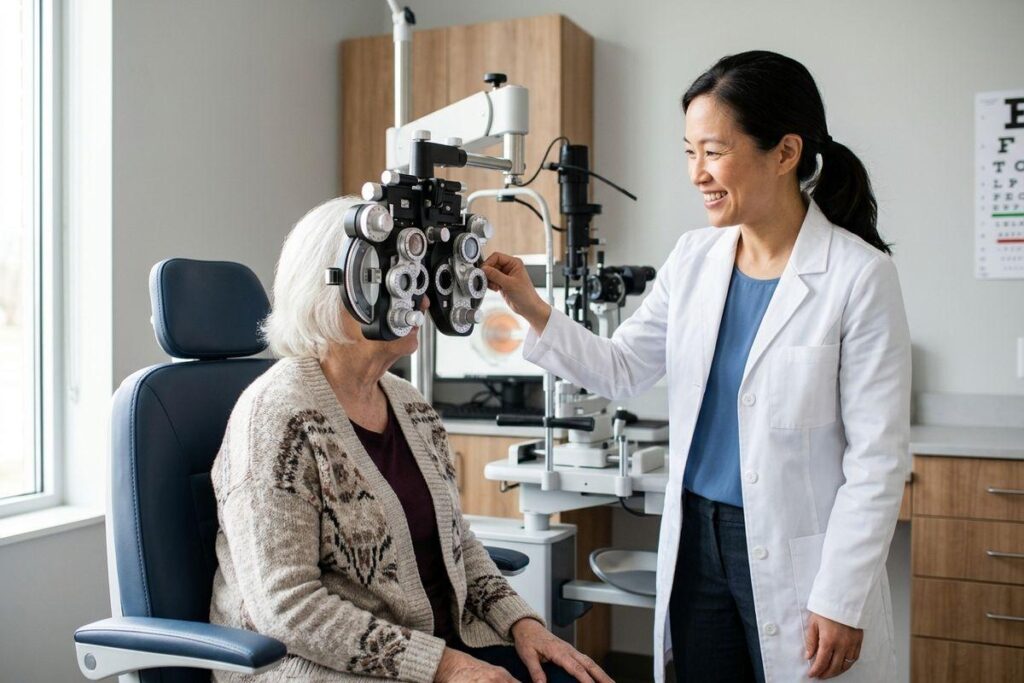
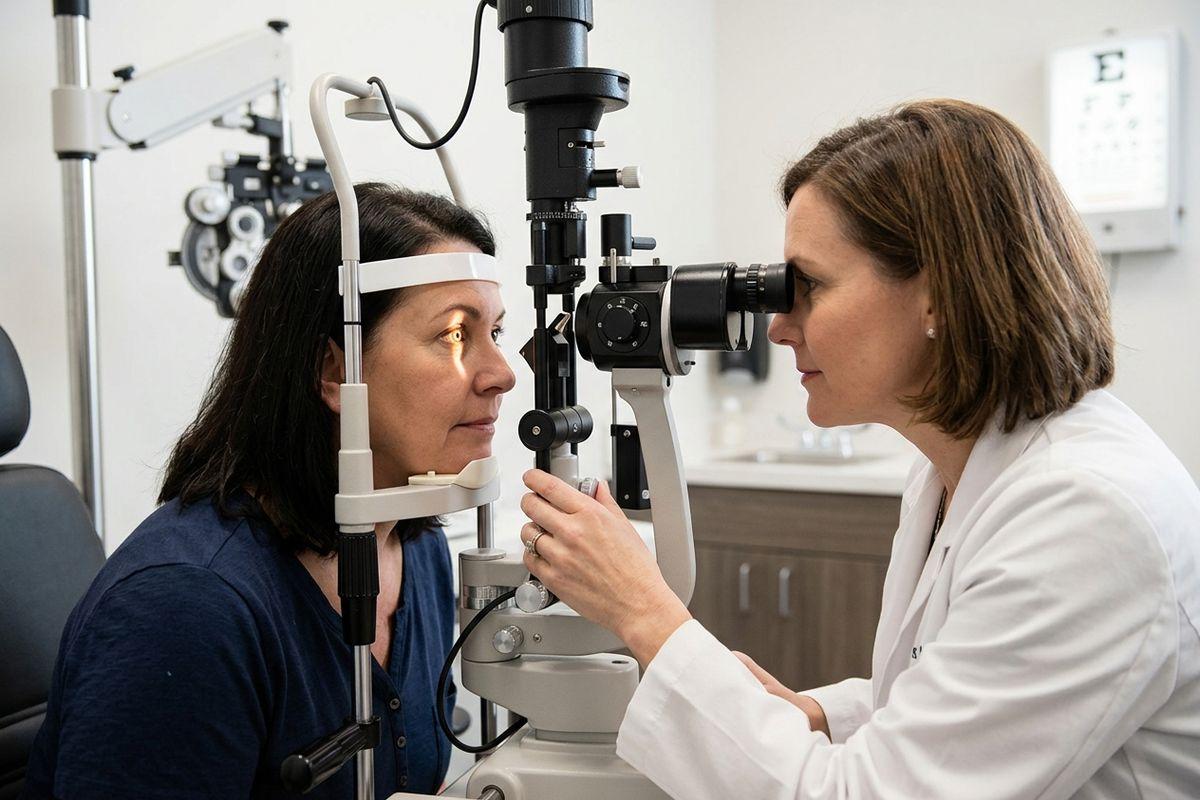
When checking for glaucoma, we recommend a full eye exam that includes eye dilation. During a dilated eye exam, your eye doctor will widen your pupils with eye drops to get a better look at your optic nerve and other structures at the back of your eye. In many cases, an eye exam can detect glaucoma well before you notice symptoms yourself.
Encourage Loved Ones to Get Screened
Glaucoma in your family is worth discussing around the dinner table. A quick chat with your parents, siblings, and kids about their eye health could prompt someone to book an exam they’ve been putting off. As your optometrists in Loveland, we can screen your loved ones and help them understand their own risk.
One honest talk can help your family stay ahead of vision loss.
Take the Next Step with 2020 Eyecare Ohio
Family history doesn’t have to leave you guessing about your eyes. With regular exams and a team that knows your background, you can stay one step ahead and keep doing the things you love. Reach out to 2020 Eyecare Ohio in Loveland today to schedule your complete eye exam.