
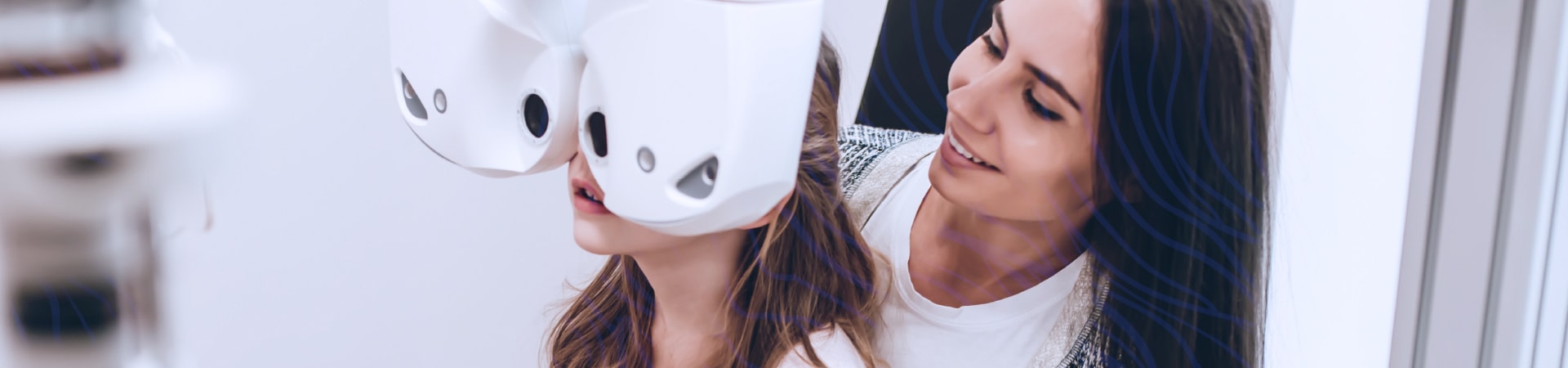

You might notice your child squinting at the whiteboard or holding books closer to their face. These signs often point to myopia, and you probably worry about how quickly their prescription keeps getting stronger each year.
MiSight contact lenses are FDA-approved daily disposable contacts specifically designed to slow down myopia progression in children while providing clear vision. 2020 Eyecare Ohio helps families understand this innovative treatment option that combines vision correction with myopia control in one daily lens.
MiSight Contact Lenses: A New Approach to Myopia Control
MiSight lenses do more than help your child see clearly—they actively work to slow down how fast their nearsightedness gets worse. These daily disposable contacts use special technology that sends specific signals to your child’s developing eyes.
The FDA approved these lenses specifically for myopia management in children. You get a fresh, sterile pair each morning, and your child throws them away at bedtime. Research shows that myopia control treatments can significantly reduce the progression of nearsightedness when started early.
How MiSight Lenses Work to Control Myopia
These lenses have two different zones working together on your child’s eye. The center zone works just like regular contacts—it focuses light properly so your child can see the board, read books, and play sports clearly.
The outer treatment zones create a special effect around the edges of your child’s vision. These zones send signals to the back of the eye that help slow the eyeball’s growth, which is what causes myopia to worsen over time.
Who Can Benefit from MiSight Contact Lenses

Your child might be a good candidate for MiSight lenses if they’re between 8 and 12 years old when myopia first shows up. This age range is when the lenses work most effectively because your child’s eyes are still developing rapidly.
Children with progressive myopia—meaning their prescription gets stronger each year — often see the biggest benefits. If you or your partner has nearsightedness, your child faces a higher risk of developing myopia and having it progress quickly. Parents can learn more about myopia risks and how family history affects their child’s vision development.
- Children ages 8-12 when myopia first appears
- Progressive myopia cases
- Family history of nearsightedness
What to Expect During Your MiSight Consultation & Long-Term Care
Initial Eye Examination
The optometrists in Loveland will check your child’s current prescription and measure how their eyes focus light. They’ll also assess the health of your child’s corneas and ensure the eye surface can handle contact lens wear comfortably. Comprehensive eye exams help determine if your child is ready for contact lens wear.
Fitting Process & Training
The doctor will place trial lenses on your child’s eyes to check how they move and center. Your child will walk around the office and read various charts so the team can ensure the lenses provide clear, comfortable vision.
Your child will learn how to safely put the lenses in and take them out. The staff will teach proper hand washing techniques and help your child practice until they feel confident handling their lenses independently.
Follow-Up Care & Success
You’ll bring your child back every few months so the doctor can track how well the lenses are controlling myopia progression. Your child will develop a daily routine of thoroughly washing their hands before handling lenses and replacing them every day.
If your child’s myopia continues progressing quickly despite wearing MiSight lenses consistently, the doctor might recommend exploring other myopia control options.
MiSight contact lenses offer your child clear vision today while helping protect their sight for the future. The team at 2020 Eyecare Ohio can evaluate whether these specialized lenses might help slow your child’s myopia progression and provide the personalized care your family deserves.