

If your contact lenses keep sliding around, drying out, or falling out, you may be considering alternatives like scleral lenses. But how long do these lenses last?
Scleral lenses typically last 12 months with proper care and maintenance. Your replacement timeline depends on factors like daily wear time, cleaning habits, and your eye’s natural tear composition.
At 2020 Eyecare Ohio, we offer a range of solutions designed to help keep your vision clear.
What Are Scleral Lenses & How They Work
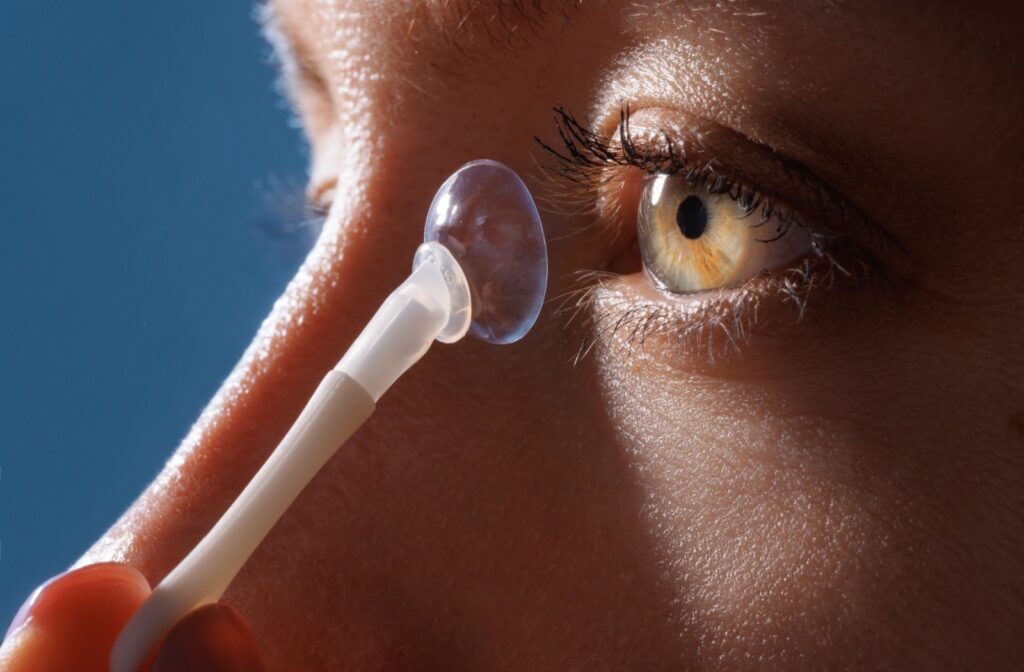
Scleral lenses are larger than regular contacts. They rest on the white of your eyes instead of directly on your cornea. This creates a smooth surface for light to enter your eyes, while also holding a small reservoir of fluid between the lens and your cornea.
The design of scleral lenses makes them different from traditional contact lenses in both size and placement. The fluid reservoir that they provide keeps your eyes moist throughout the day, which helps if you struggle with dry eyes or corneal irregularities.
Typical Lifespan of Scleral Lenses
Most scleral lenses follow a standard replacement schedule, though your own timeline will depend on several factors.
Annual Replacement Schedule
You can expect your scleral lenses to last about 12 months with proper daily care. Your eye doctor can determine a timeline for you based on how your eyes respond to the lenses and your individual needs.
Factors That Affect Lens Durability
Your daily wear time and how you handle your lenses play a major role in how long they last. The more you wear them, the more they’ll accumulate more wear and deposits.
Your natural tear composition also affects the lifespan of your lenses. Some people produce more proteins or lipids that stick to lenses, requiring more frequent replacement. Environmental factors like dust, pollen, and dry air can also impact durability.
Signs Your Scleral Lenses Need Replacement
You’ll notice certain changes when your scleral lenses start wearing out. These signs tell you it’s time to schedule a replacement.
Vision Changes
Your vision may become blurry or hazy, and even cleaning won’t fix the problem. You might notice decreased sharpness throughout the day or difficulty seeing clearly at night.
These vision changes happen gradually as deposits build up on the lens surface or the lens itself starts to break down.
Comfort Issues
You may start feeling more irritation or burning that wasn’t there before. Your lenses may feel less comfortable than usual, even after proper cleaning and insertion.
Your eyes might become red or watery more often, signaling that the lens surface has changed enough to affect your comfort. If you experience persistent discomfort, this might indicate dry eye issues that need professional attention.
Physical Lens Changes
You can see visible scratches or small chips on the lens surface. Cloudiness appears that won’t clean away, no matter what products you use.
The lens shape might warp or change, affecting how it fits on your eye. These physical changes compromise both vision and comfort.
How to Extend Your Scleral Lens Life
Proper care techniques can help you get the full lifespan from your scleral lenses while maintaining clear vision and comfort.
Daily Cleaning Routine
Use only the cleaning solutions that your eye doctor recommends. Different lens materials require different cleaning products, and the wrong cleaner can damage your lenses.
Clean your lenses with a gentle rubbing technique to remove protein deposits and debris. Always rinse thoroughly before putting your lenses back in your eyes. Follow proper cleaning protocols to prevent contamination.
Storage & Handling Tips
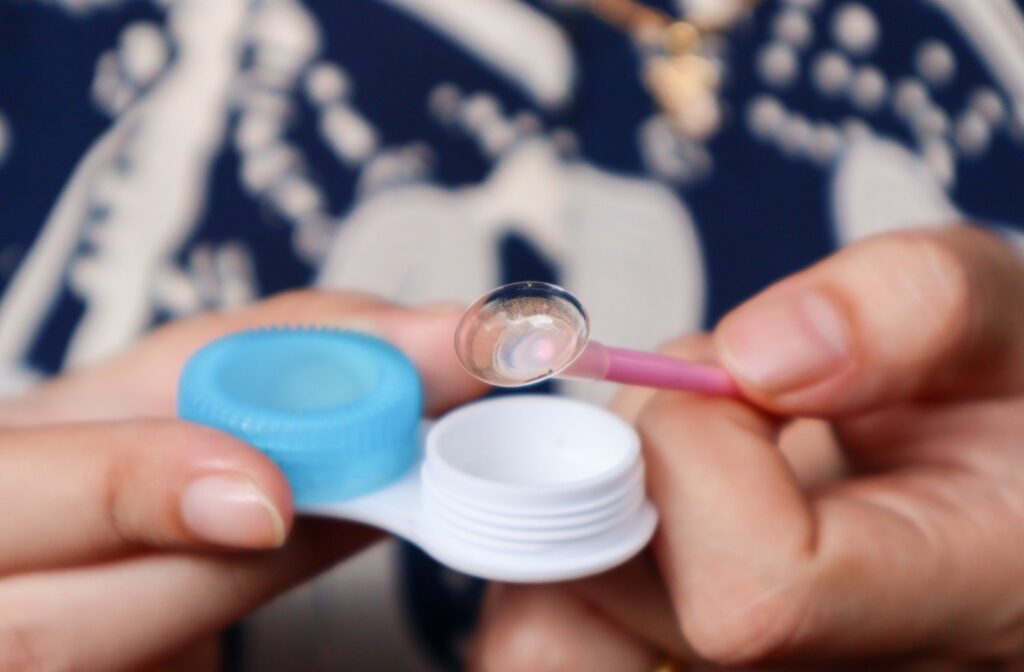
Store your lenses in fresh solution every night. Never reuse old solution. Handle your lenses with clean, dry hands to avoid transferring oils or bacteria.
Learn proper insertion and removal techniques from your eye doctor. Keep your lens cases clean and replace them every three months to prevent contamination. Your eye care provider can teach you more about safe storage methods.
Replacement Costs & Insurance Coverage
Understanding the financial aspect of scleral lens replacement can help you plan your eye care budget effectively.
Typical Replacement Expenses
Replacement costs vary based on your lens material and the complexity of your prescription. Custom fitting for irregular corneas may affect pricing.
Consider annual replacement as part of your regular eye care budget, similar to how you budget for annual eye exams. Check your insurance coverage options for potential savings.
Insurance & Payment Options
Some insurance plans cover scleral lenses when they’re medically necessary for conditions like keratoconus or severe dry eye. Flexible spending accounts can help cover costs, and many eye care practices offer payment plans to make replacement more manageable.
When to Contact Your Eye Doctor
Regular professional eye care helps keep your prescription accurate. It also helps maintain the health of your eyes.
You should schedule annual eye exams to monitor how your lenses fit and to check your overall eye health. Your eye doctor can spot problems before they affect your vision or comfort.
Emergency Replacement Situations
Contact your eye doctor immediately if you experience sudden vision changes or eye pain while wearing your lenses. These symptoms may indicate that you need emergency eye care.
If your lenses become damaged or lost, call your optometrist for emergency replacement.
Keep Your Vision Clear
2020 Eyecare Ohio provides comprehensive scleral lens care for the optometrists in Loveland and the greater Cincinnati area. Contact us today to schedule your consultation and discover how scleral lenses can transform your vision comfort.