

Key Takeaways
- Keratoconus causes the cornea to thin and bulge into a cone shape, scattering light and making vision look warped.
- Streaky headlights, ghosted letters, and smudged edges on faces are common signs of keratoconus.
- Frequent prescription changes and glare trouble are early signs worth an eye exam.
- Corneal shape mapping helps track changes over time.
- Glasses, rigid gas permeable lenses, and scleral lenses can all help sharpen sight.
Keratoconus & Your Vision
If you have keratoconus, your vision may look warped and smeared rather than simply blurry. This is because keratoconus causes the cornea to thin and bulge into a cone shape that scatters light rather than focusing it into one clean image.
If you’re struggling with these symptoms, our team at 2020 Eyecare Ohio is here to help.
What Keratoconus Does to Your Sight
The cornea is the clear dome at the front of your eye. In people with keratoconus, the cornea thins and pushes forward into a cone shape. This irregular surface causes light to scatter rather than focus on the back of the eye, meaning that the eyes send the brain a warped image.
In many cases, both eyes are affected by keratoconus, though one tends to be more so than the other.
How the Blur Feels Day to Day
Blur caused by keratoconus rarely feels like the soft, even fuzziness of needing a new prescription. Here’s how the distortion tends to show up:
- Headlights and streetlights streak into long tails at night.
- Letters look ghosted or doubled, even with one eye closed.
- Faces and road signs have smudged, soft edges.
Early Signs You May Notice
Early keratoconus can pass for ordinary vision changes, which is why it often goes unnoticed for a while. Watch for these signs:
- Blurred or distorted vision that glasses don’t fully clear up
- Sensitivity to light and trouble with glare
- Prescription changes coming faster than they used to
Book an appointment if your vision worsens quickly, if night driving keeps feeling harder, or if your sight clouds suddenly.
Why Vision Changes Happen & Who Is at Risk
The causes of keratoconus aren’t fully understand. But family history does play a role, so if a parent or sibling has keratoconus, let your eye doctor know.
Eye rubbing also increases your risk. If you find that your hands drift up to your eyes without thinking, that’s a habit worth breaking.
Typical Age & Progression
Keratoconus tends to start in the late teens through to the 30s. It may progress slowly over years, which is why regular checkups matter more than a single snapshot of your vision.
How Optometrists in Loveland Check Your Corneas
We use corneal shape mapping to create a detailed picture of the surface of your eye. This allows us to track any structural changes over time, so that we can make informed decisions about your care.
Ways to Sharpen Keratoconus Vision
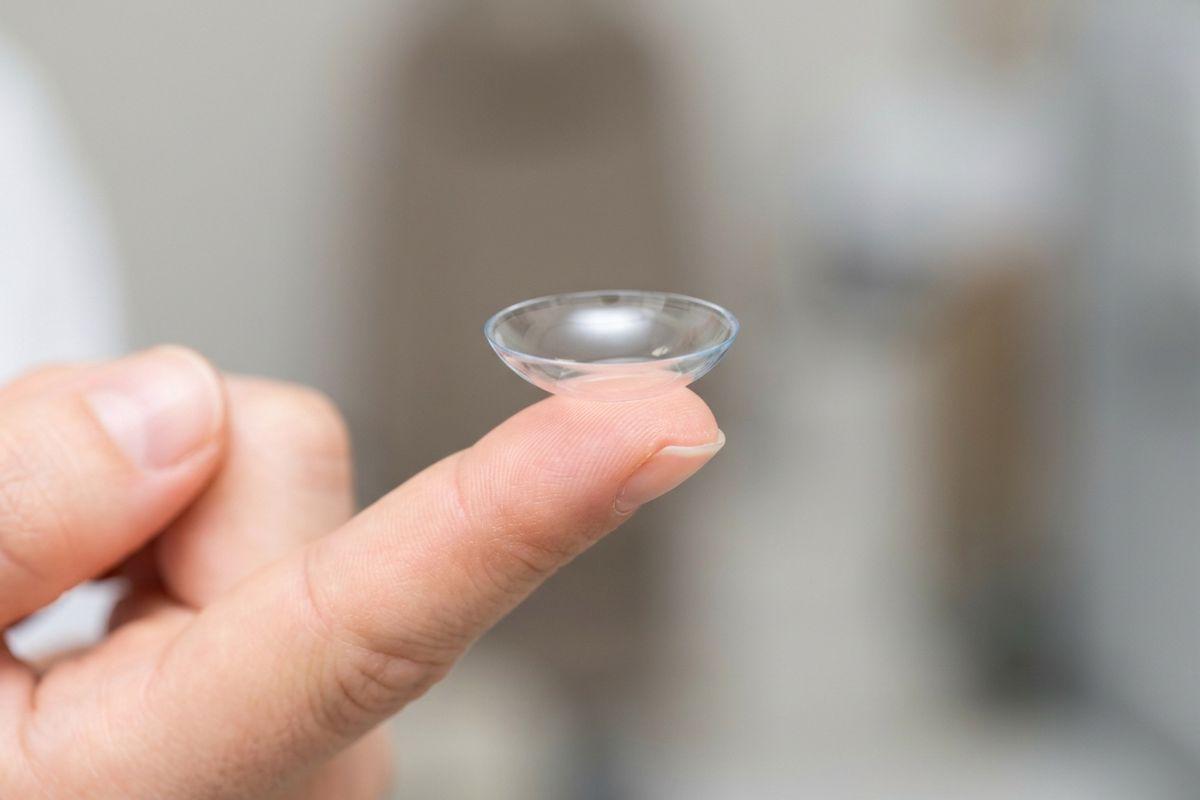
Early on, glasses or soft contact lenses may still give you comfortable sight. However, as the cornea becomes more irregular, rigid gas permeable lenses often take over, since their firm surface handles shapes that soft lenses can’t.
You can also wear scleral lenses, which are larger contacts that rest on the whites of your eyes and vault over your cornea. This creates a smooth surface for light to enter.
Other Options the Doctor May Discuss
As keratoconus progresses, you may need to look at other options. These include:
- Corneal cross-linking to help slow progression
- The placing of ring segments to flatten the cornea
- Cornea transplant in severe cases
See What Clear Looks Like Again
Warped headlights and doubled letters don’t have to be your normal. Our team at 2020 Eyecare Ohio in Loveland will map your corneas, explain what we find in plain language, and fit lenses to the shape of your eyes.
Book your eye exam with our team today and find out which option fits your vision.