
Key Takeaways
- Children need their first exam between 6 and 12 months, then yearly once they start school.
- Healthy adults ages 19 to 45 can visit every 2 years, or yearly if their vision is changing.
- Adults 55 and up benefit from yearly checkups.
- Glasses and contact lens wearers need yearly updates, and scleral lens fittings need follow-ups.
- Pain, floaters, flashes, or sudden blurry vision mean you should book sooner.
Your eyes work hard every day, and they rarely complain until something feels off. That’s why your routine visits with our team at 2020 Eyecare Ohio matter. Whether you wear glasses, contacts, or scleral lenses, the right schedule keeps your sight clear and your eyes healthy.
For most people, a yearly eye exam keeps vision clear and catches problems early, though your ideal schedule depends on your age, health, and whether you wear glasses or contacts.
Why Regular Eye Exams Matter
Many eye conditions start quietly, with no pain and no obvious blur. A regular eye exam helps your eye doctor catch these kinds of changes early, while they’re easier to manage.
Eye exams also reveal clues about your whole body. Your eye doctor can spot early signs of diabetes or high blood pressure by looking at the tiny blood vessels inside your eyes.
No matter your age, routine visits help keep your vision sharp for reading, driving, and screen time.
How Often to Get an Eye Exam by Age
Your eyes change as you grow, so your exam schedule should too. Here’s a simple guide for every stage of life.
Kids and Teens
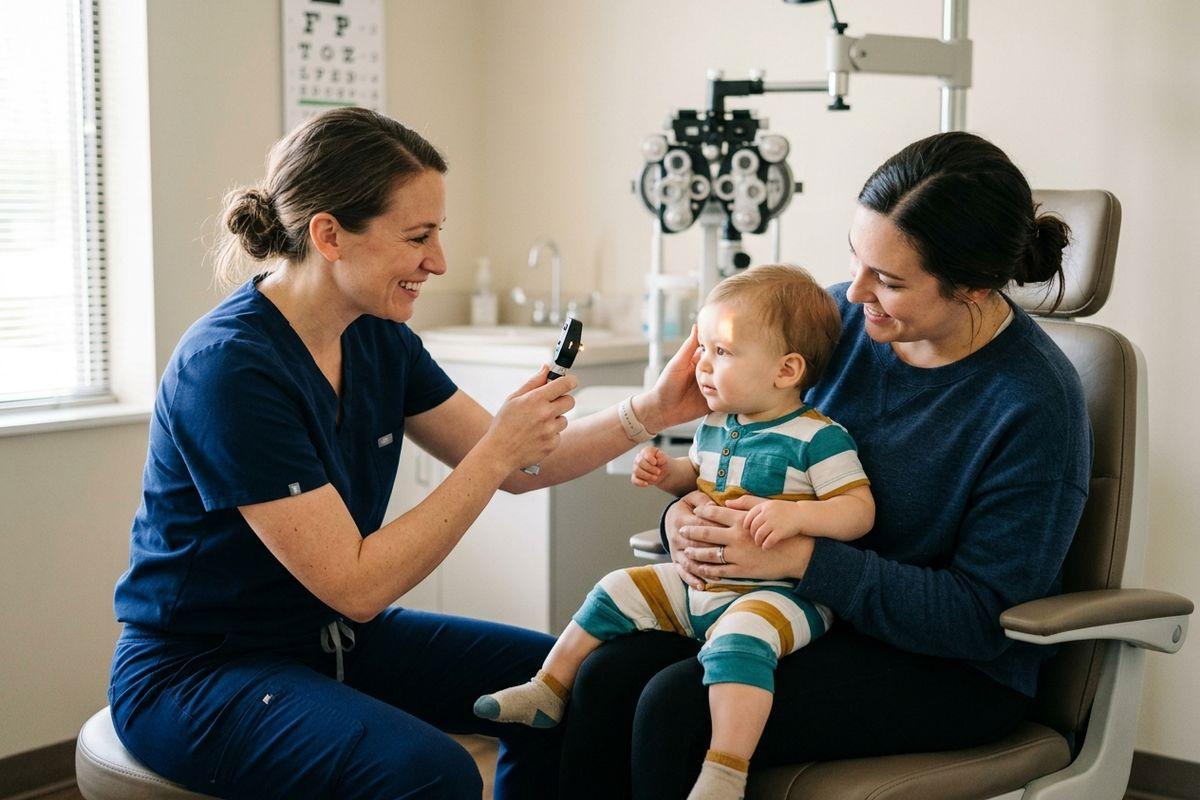
Little eyes grow quickly. A first exam between 6 and 12 months helps your child’s optometrist check that their eyes are developing the way they should. Another visit before school starts helps confirm that your child’s vision is clear. Once they’ve started school, a yearly exam keeps small vision problems from slowing them down in class.
Adults 19 to 45
If your vision is clear and your eyes are healthy, an exam every 2 years is the norm. However, certain conditions (like diabetes or existing vision issues) mean that you should schedule visits more often.
Adults 45 and Up
Your eyes need more attention as you get older. A yearly exam helps your eye doctor keep track of potential issues like cataracts (which can cloud your vision) or glaucoma. Catching these kinds of issues early gives you more options to stay comfortable.
Risk Factors that Affect Exam Frequency
Glasses & Contact Lenses
Glasses and contacts only help when your prescription is accurate. For glasses wearers, regular eye exams keep your prescription current and your vision clear, but if you have a strong prescription, you may need to visit your eye doctor yearly.
Contact lens wearers need a little extra care, so the American Optometric Association recommends yearly exams.
Risk Factors for More Frequent Visits
Some health conditions put extra stress on your eyes. Your eye doctor may suggest more frequent visits if any of the following apply to you:
- Diabetes or high blood pressure
- A family history of eye disease
- A past eye injury or surgery
Symptoms That Shouldn’t Wait for a Visit
Reach out to your eye doctor immediately if you notice any of the following:
- Eye pain, redness, or dryness
- Floaters, flashes, or halos around lights
- Blurry or changing vision
How the Optometrists in Loveland Can Help
Good eye care should feel easy and welcoming. That’s why our team focuses on family-friendly visits where every question gets a real answer, from a child’s first checkup to a grandparent’s yearly exam.
Dry eye and scleral lens support are a big part of what our team does. If traditional contacts have left your eyes feeling scratchy or tired, scleral lenses may help you see clearly and feel comfortable again.
Ready for clearer, more comfortable vision? Reach out to 2020 Eyecare Ohio to book your next exam and see how simple great eye care can be.